

Each part of the financial planning and analysis process feeds into the next, ensuring your business stays financially agile, strategically aligned, and performance-driven. FP&A teams track key performance indicators what is fp&a (KPIs), measure against goals, and conduct variance analysis to explain discrepancies between actual results and forecasts. The real magic lies in identifying trends, inefficiencies, and root causes so you can act quickly and confidently.
- The FP&A team performs analysis and planning, while the CFO oversees strategy and operations for finance.
- Together, FP&A and accounting form a comprehensive financial management system that ensures both compliance and long-term financial success.
- The future of FP&A leverages more data to make more informed decisions, while removing the mundane tasks that prevent you from focusing on more value-added efforts.
- A typical FP&A team structure at a business with one or two FP&A employees has them reporting to the CFO.
- Internal data is the main source of data for financial planning and analysis.
The latest tech news, backed by expert insights
Sometimes, businesses create their own FP&A solution by using a combination of separate software tools and internal systems. FP&A analysts often use financial modeling to predict which strategies, actions and investments provide the best business outcomes. For example, scenario planning models can simulate what might happen if a business raises or lowers prices or if market conditions, such as demand or the cost of goods fluctuate. Corporate FP&A is important because it empowers an organization to make informed decisions regarding financial strategies, operational plans, new initiatives, risk management, headcount planning and more. These strategic decisions are essential to an organization’s profitability and financial health. With the proper skill set and a natural inclination for the work, you can https://www.bookstime.com/ carve out a very satisfying career for yourself as a corporate financial analyst.
Registered Provider: National Association of State Boards of Accountancy
Data gets segmented by time — usually by month — and FP&A has extra work for expenses or numbers that cross those timelines. Organizations will also be able to adapt faster to changing business conditions and optimize their performance. This will enable agile teams to easily access whatever information they need and work together smoothly, regardless of location. Workday Adaptive Planning offers strong capabilities outside of Finance and FP&A, which makes Adaptive Planning a good choice for large enterprises seeking a transformational, company-wide FP&A solution. However, its lengthy implementation timeline and «replace spreadsheets» philosophy means it’s not a fit for everybody. Google Sheets offers a user-friendly interface that is widely used, not just in FP&A or finance.

How do finance teams track KPIs across the entire organisation?
And so this is where instead of getting lost in all the details and all the numbers, you really focus on the key factors that drive the business. FP&A professionals are increasingly incorporating non-financial metrics into their analyses to provide a more holistic view of business performance. This approach recognizes that financial success is often driven by non-financial factors. By addressing these challenges, FP&A professionals can enhance their effectiveness and provide more valuable insights to drive business growth. By focusing on long-term value creation, strategic FP&A strengthens the connection between financial planning and the company’s overall direction.

This trend enables organizations to make informed decisions based on up-to-the-minute financial data. Strong financial planning is most effective when it informs both internal decisions and Bookkeeping for Startups external communication. At EPOCH Financial, we help public companies turn their FP&A function into a strategic advantage by aligning it with capital markets goals.
- A good example of a collaborative FP&A-Controller relationship is the budgeting process.
- Financial modeling is another cornerstone of corporate FP&A, providing a framework for analyzing the financial implications of various strategic decisions and scenarios.
- Tesla’s FP&A team likely worked closely with other departments to ensure every dollar was optimized.
- The ultimate purpose of FP&A is to provide accurate financial insights, forecasts and recommendations to the C-level decision makers in a business.
- Financial planning and analysis teams are only as good as the data they have available.
- Keep reading to learn why FP&A is mission-critical (and how you can use it to grow your company).
Supply Chain Management for Healthcare
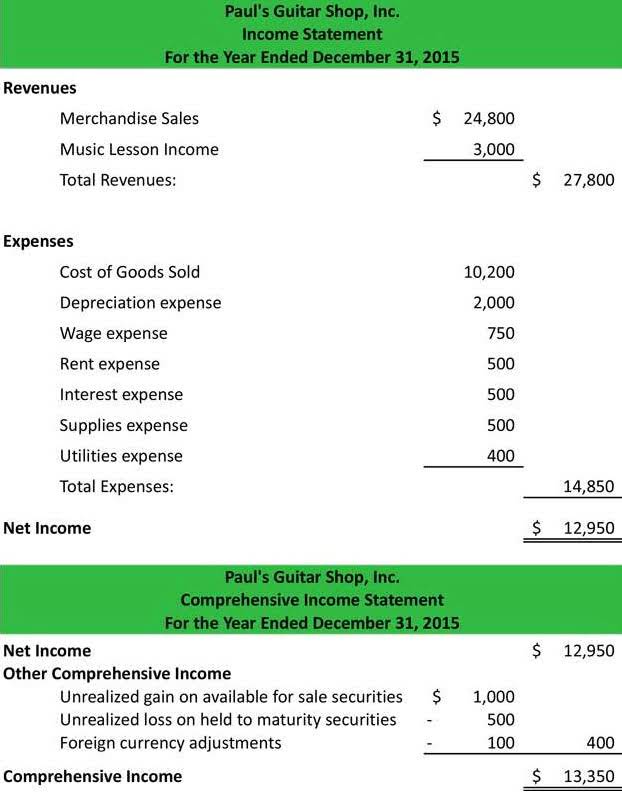
Financial planning and analysis (FP&A) is a critical function within any organization. It involves forecasting future financial performance and identifying potential risks and opportunities to ensure the company’s long-term success. FP&A plays a key role in ensuring a company’s financial stability and long-term growth.